


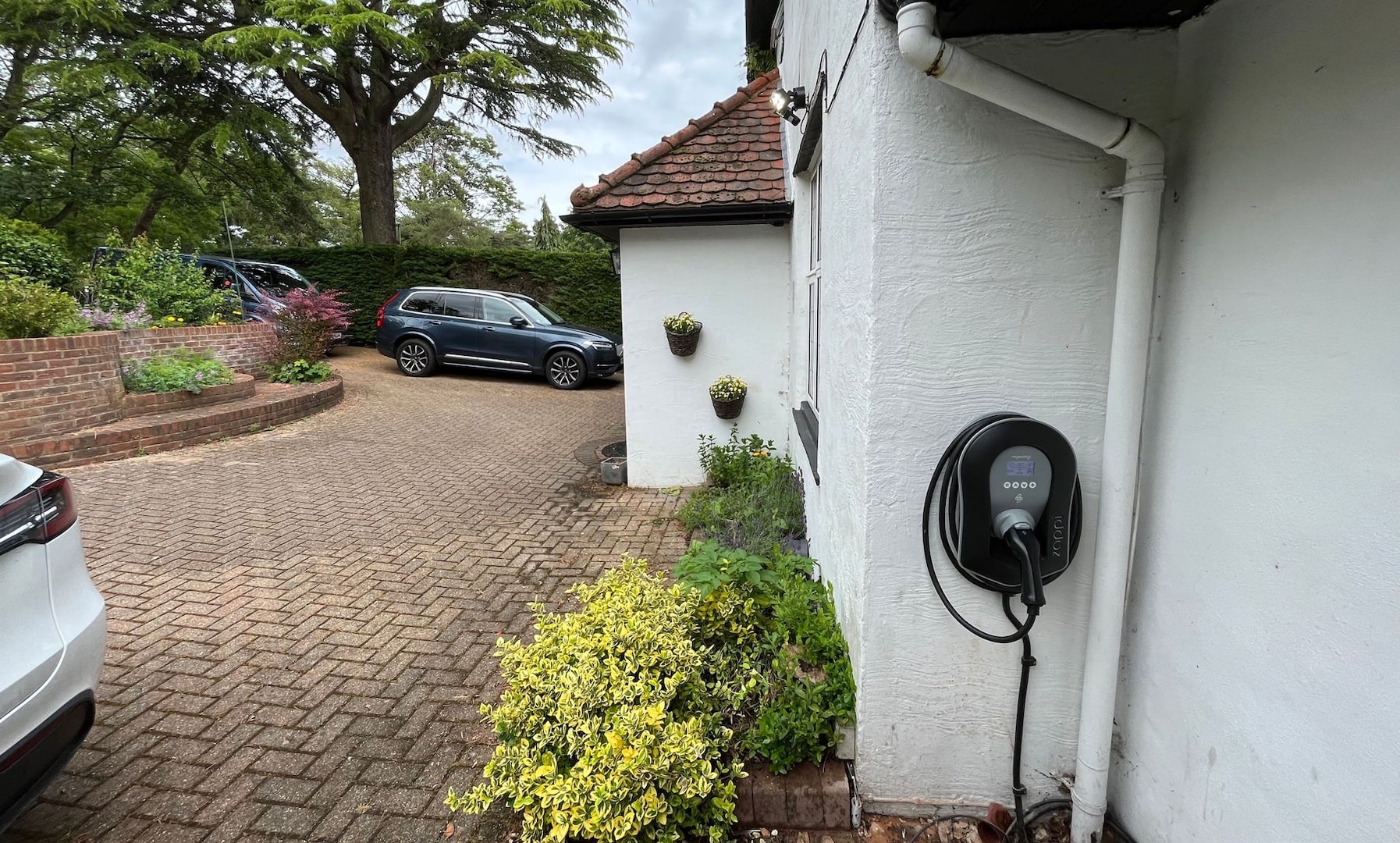
For years, one of the biggest frustrations for homeowners keen to install an electric vehicle (EV) charger on their property was the unexpected tangle of planning permission. What should have been a straightforward decision to future-proof their home often turned into months of waiting, form filling, and added costs. Thankfully, from 2025, that barrier has finally been removed in England — and the result is good news for homeowners, installers, and the environment alike.
What Has Changed?
The UK Government has abolished the need for planning permission to install a home EV charger on private property, provided it meets certain conditions. Previously, local councils could delay installations by up to nine months. Now, homeowners can go ahead with much greater ease, saving time and money in the process. According to The Sun, this reform could save households an estimated £1,100 a year, once the costs of delays and paperwork are factored in.
Why This Matters to Homeowners
For homeowners, the change means:
- Faster installation: No waiting for planning applications to be approved.
- Lower upfront costs: Avoiding additional fees and administrative charges.
- Energy independence: More control over charging schedules and reduced reliance on public charging points.
- Property value boost: Homes with dedicated EV chargers are increasingly desirable to buyers.
How Does This Support EV Growth?
Government targets aim for 300,000 chargepoints installed across the UK by 2030. Removing red tape for domestic installations is a crucial part of reaching that figure. While public charging infrastructure is growing, the vast majority of EV charging still happens at home. Giving homeowners easier access to chargers not only supports national climate goals but also makes EV ownership more practical and affordable.
The Bigger Picture
This change is part of a broader push to speed up EV adoption. In addition to infrastructure reforms, there are growing calls for subsidies and tax incentives to encourage drivers to switch from petrol and diesel. The Financial Times recently reported that the UK Government is considering subsidies for EV purchases to address slowing sales figures. Making home charging more accessible complements such initiatives perfectly.
What Are the Conditions?
Although planning permission is no longer required, there are still guidelines homeowners must follow. For example:
- The charger must not exceed a specified size (typically no larger than a wall-mounted satellite dish).
- Installations must be at least 2 metres from a public highway.
- The work should be carried out by a certified installer to meet safety standards.
These rules are designed to balance homeowner freedom with public safety and visual considerations in built-up areas.
Cost Savings in Real Terms
Beyond avoiding permission fees, homeowners benefit financially in other ways:
| Factor | With Planning Permission | Without Planning Permission |
|---|---|---|
| Approval waiting time | 3–9 months | 0 months |
| Application costs | £200–£500 | £0 |
| Potential contractor delays | Likely (schedules shift during wait) | Minimal |
| Total additional cost | £1,100 average | £0 |
When you also factor in the ongoing savings of charging at home on an off-peak tariff, it becomes clear just how valuable this reform is.
Why Home Charging Beats Public Charging
While public chargers are expanding rapidly across the UK, they still bring headaches: long queues, reliability issues, and higher costs compared with home tariffs. Data from Car Dealer Magazine revealed that 66% of drivers experience waits of over 10 minutes, with some reporting delays of up to two hours. By contrast, charging at home with a smart charger offers:
- Convenience: Plug in overnight and wake up to a full battery.
- Cost savings: Night-time tariffs can reduce charging costs by hundreds of pounds a year.
- Peace of mind: No queues, no uncertainty.
What This Means for Mint Energy Customers
For customers of Mint Energy, the message is clear: now is the perfect time to install a home charger. With planning permission hurdles gone, installation is quicker and more affordable. Whether you choose a Hypervolt, a MyEnergi Zappi, an Ohme e-pod, or an Ohme Home Pro, you can be confident your charger meets the latest government requirements and provides the smartest, most cost-effective solution for daily EV charging.
Our Thoughts
The removal of planning permission requirements is more than just a bureaucratic tweak — it’s a practical win for homeowners and an important step in the UK’s journey towards electrification. With easier access, lower costs, and the benefits of smart charging, there has never been a better time to invest in a home EV charger. At Mint Energy, we’re here to help homeowners take full advantage of these changes, offering reliable installation and expert guidance every step of the way.